
Alpine Botanical Education
Exploring Highland Plant Knowledge and Natural Wellness Through Swiss Alpine Traditions
Nutritional Considerations for Men After 40
As men enter their fifth decade, nutritional research from observational studies suggests that dietary patterns shift in importance. Natural dietary components derived from plant sources have been studied for their roles in maintaining general wellness across various age groups. These botanical nutrients, particularly those from high-altitude environments, represent a significant area of nutritional science and ethnobotanical research.
Individual responses to dietary modifications vary considerably based on genetics, lifestyle, and existing health patterns. This exploration of Alpine plant compounds offers perspective on how different cultures have approached natural wellness through botanical knowledge.
Highland Botanical Highlights
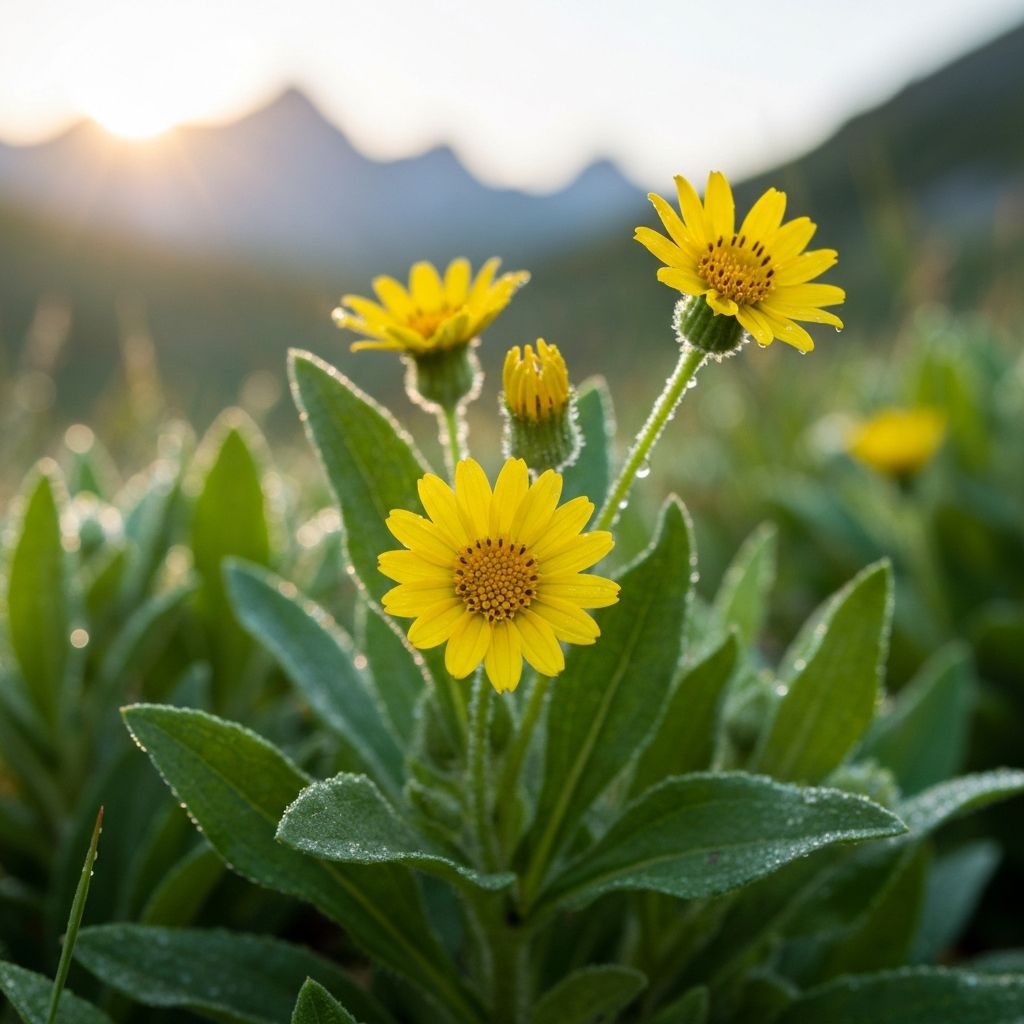
Alpine Arnica
A classic Alpine herb with a long history of use in Swiss mountain traditions. Arnica grows in high-altitude meadows and has been studied for its natural plant compounds.
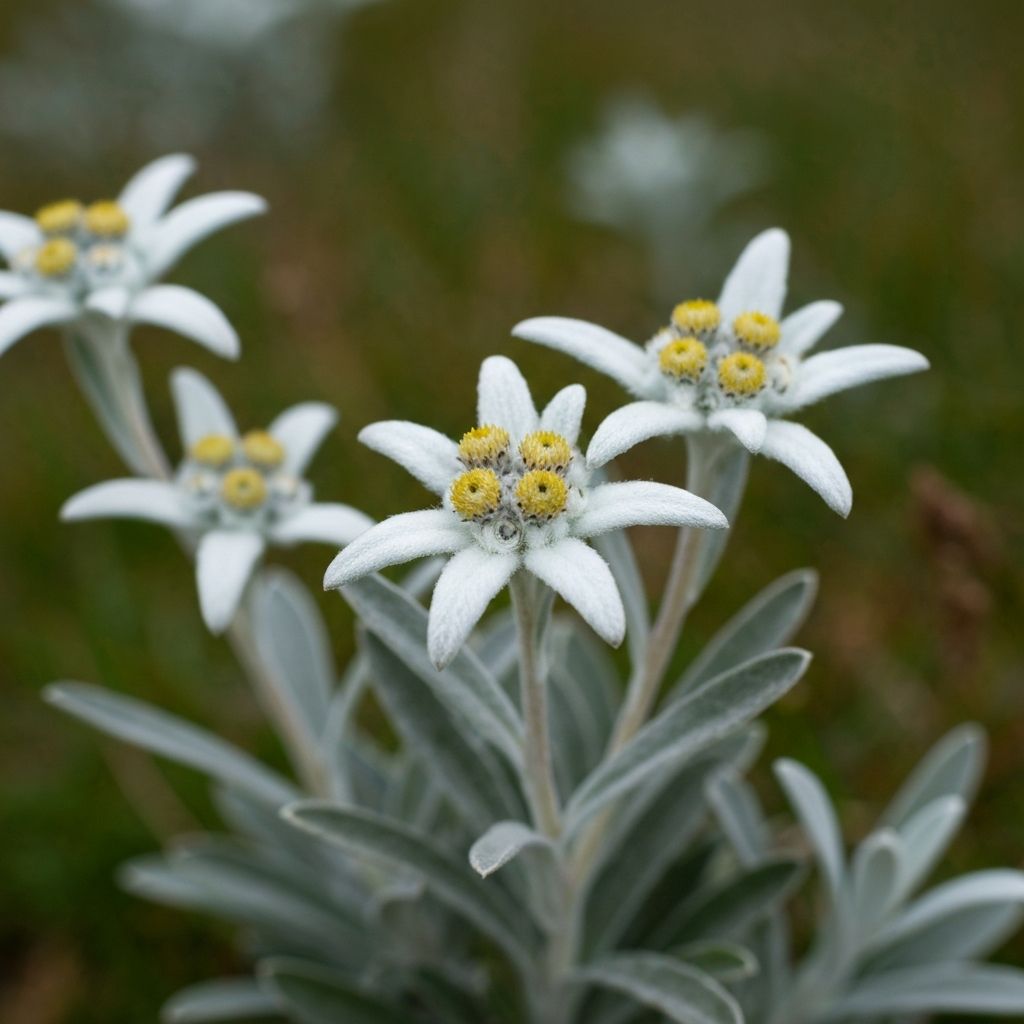
Edelweiss Heritage
This iconic Alpine flower represents centuries of highland botanical knowledge. Edelweiss thrives above 2000 meters and contains unique phytonutrients specific to high-altitude environments.
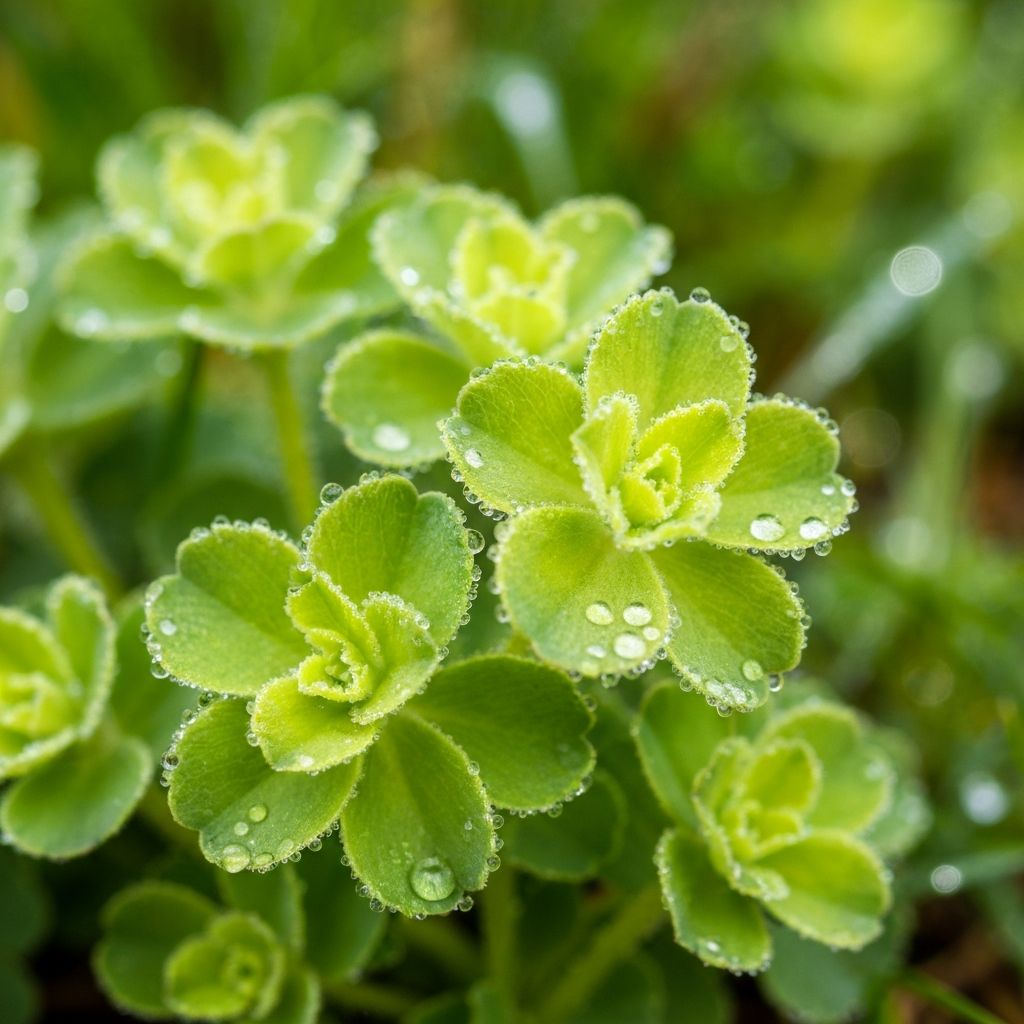
Lady's Mantle
Known as Frauenmantel in German-speaking Alpine regions, this plant has been traditionally used in herbal practices across Switzerland for centuries.
Natural Micronutrient Sources from Alpine Plants
Highland plants develop unique phytonutrient profiles in response to alpine environmental stressors. These compounds have been the subject of nutritional research for decades.
| Plant Source | Alpine Origin | Key Phytonutrients | Traditional Use |
|---|---|---|---|
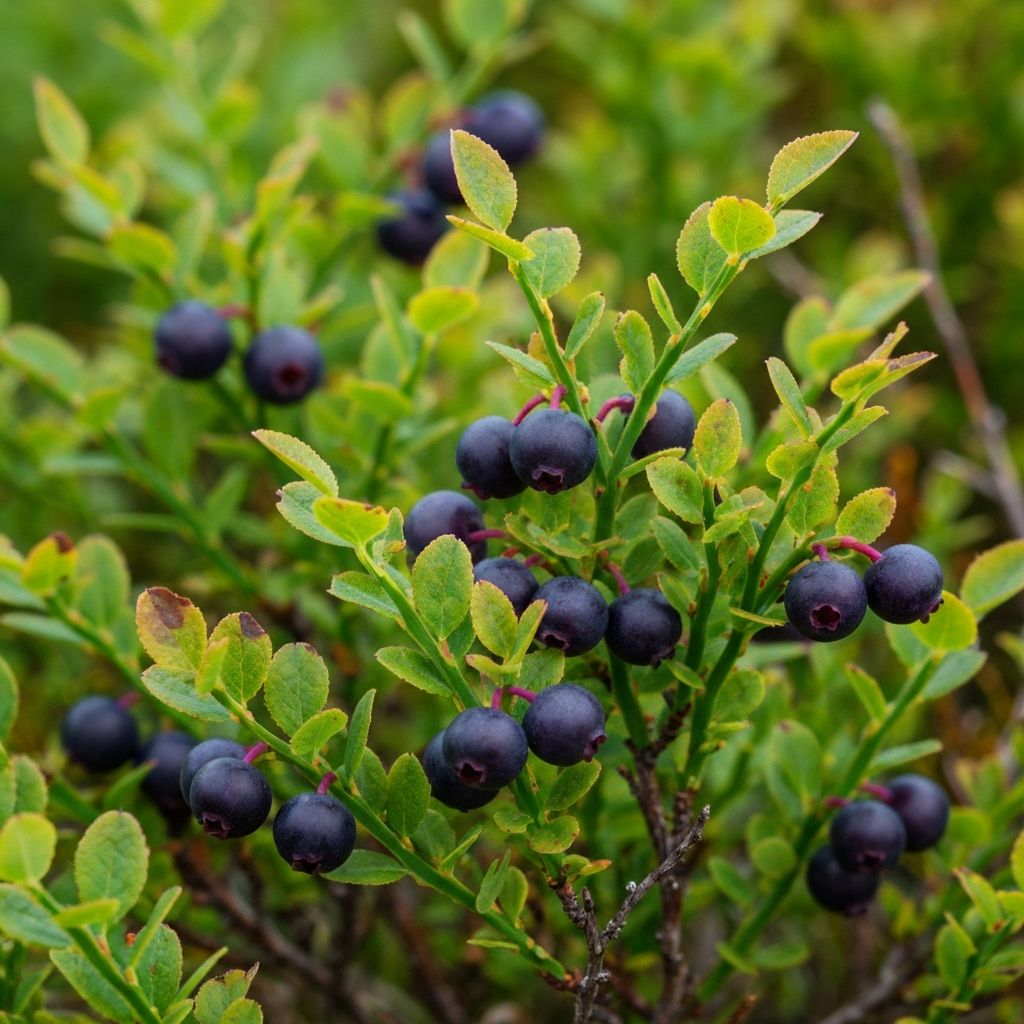
| Alpine Bilberry | Swiss High Alps (1500-2500m) | Anthocyanins, Polyphenols | Nutritional support, traditional herbal practice |
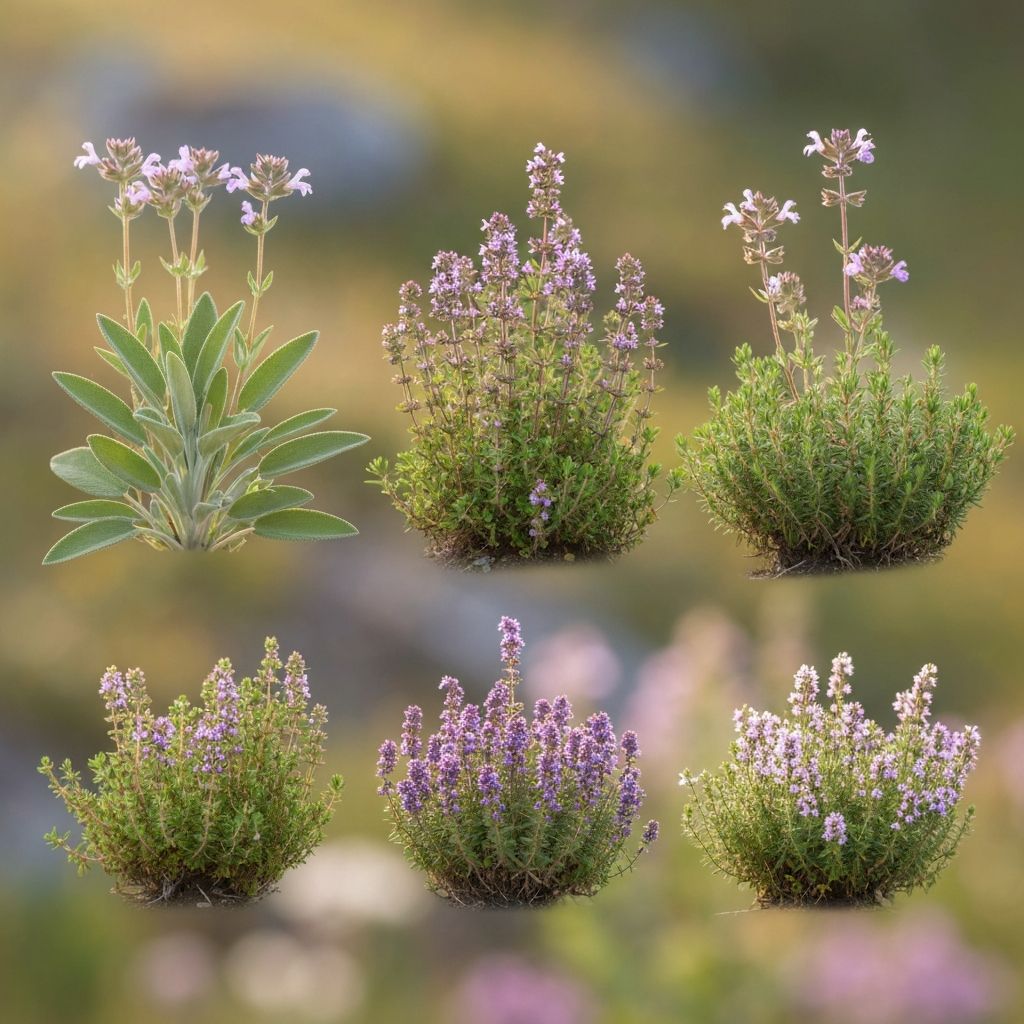
| Mountain Sage | Valais Region (1000-2000m) | Rosmarinic Acid, Flavonoids | Historical Alpine herbal traditions |
| Alpine Thyme | Upper Alpstein (1200-2200m) | Thymol, Carvacrol | Swiss mountain herbalism |
| Edelweiss | High Alpine Zone (2000-3000m) | Leontopodic Acid, Terpenoids | Traditional Alpine knowledge |
| Alpine Arnica | Swiss Meadows (1500-2800m) | Helenalin, Volatile Oils | Centuries of Alpine practice |
Alpine Plant Traditions
Historical Context of Alpine Herbalism
The Swiss Alps have been home to distinctive botanical traditions for centuries. Local communities developed sophisticated knowledge systems about plant identification, harvesting, and preparation based on centuries of observation and cultural transmission.
Alpine herbalism represents an important aspect of European ethnobotany. These traditions reflect the unique environmental pressures that shape plant development in high-altitude ecosystems, creating compounds with specific characteristics not found in lowland varieties.
Mountain Elevation and Plant Development
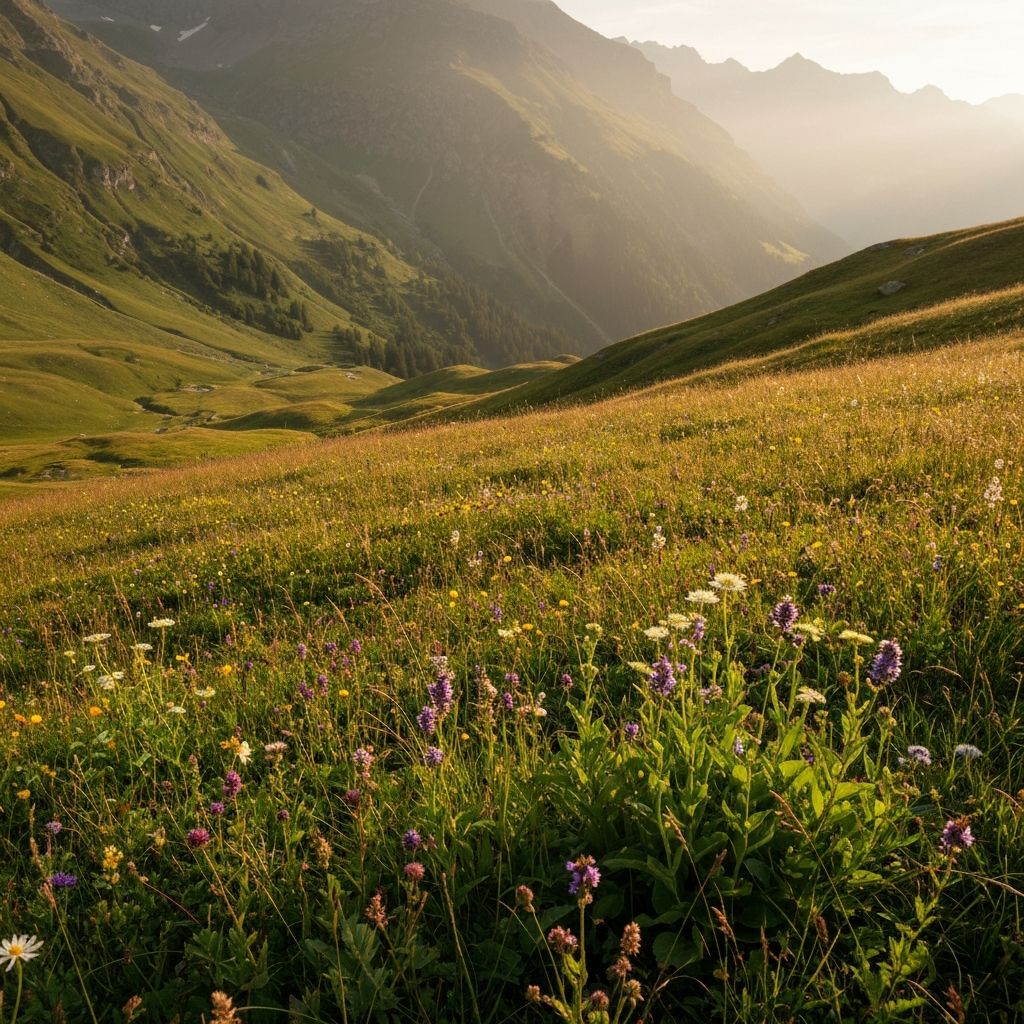
Plants growing above 1500 meters develop distinct protective compounds in response to intense UV radiation, temperature fluctuations, and limited growing seasons. These adaptations create botanical profiles unique to each elevation zone.
Swiss Alpine regions, ranging from 800 to 4634 meters at Mont-Rose, create diverse microclimates. Each zone supports specialized plant communities that have adapted over millennia to their specific environments.
Environmental Rhythm and Daily Cycles
Alpine Environment and Biological Cycles
High-altitude environments create distinct daily and seasonal patterns that influence plant and human biology. Alpine elevations receive more direct sunlight, cooler night temperatures, and greater atmospheric pressure variations compared to lowland areas.
Traditional Alpine communities developed daily routines synchronized with mountain rhythms. Daylight hours vary dramatically across seasons, affecting circadian patterns and seasonal wellness approaches.
Elevation and Physiological Adaptation
Research from altitude physiology shows that higher elevations influence various bodily systems. The reduced oxygen availability at altitude triggers adaptive responses in cardiovascular and respiratory function, which has been studied across many research programs.
These natural environmental factors have informed traditional Alpine wellness practices for generations, reflecting empirical knowledge passed through cultural transmission.
Research Perspectives on Nutrition and Aging
Scientific literature provides extensive documentation on nutritional patterns in aging populations. These neutral, peer-reviewed perspectives inform our understanding of plant-based nutrition across different age groups.
Phytonutrient Research in Aging
Plant-based compounds have been extensively studied in gerontological research. Meta-analyses of nutritional studies indicate that natural dietary components from plant sources show measurable effects on various health markers in population studies. These findings apply broadly across different demographic groups, though individual variation remains significant.
Micronutrient Status in Middle-Aged Populations
Longitudinal studies tracking nutritional intake across age groups show shifting dietary needs. The American Journal of Clinical Nutrition and similar peer-reviewed sources document that plant-derived micronutrients maintain importance across all adult age groups, with some compounds gaining particular significance in later decades.
Bioavailability and Alpine Plant Compounds
High-altitude plant compounds show different bioavailability profiles compared to lowland varieties due to their unique chemical composition. Research in botanical pharmacology suggests these differences may relate to environmental adaptation factors unique to alpine ecosystems.
Clarifying Common Perspectives
Myth: Natural Always Means Safer
Natural botanical compounds are not automatically safer than synthesized ones. Both require proper research, dosing protocols, and individual assessment. Many traditional Alpine practices represent empirical knowledge rather than proven medical claims.
Reality: Individual Variation is Significant
People respond differently to the same dietary components based on genetics, existing health status, medications, and lifestyle factors. What works effectively for one person may have different results for another.
Fact: Elevation Influences Plant Chemistry
Alpine plants develop unique compound profiles in response to environmental stress. These differences are measurable and scientifically documented, representing genuine botanical variation between altitude zones.
Understanding: Tradition ≠ Proof
Long-standing cultural practices provide valuable observational data but don't constitute clinical evidence. Alpine herbalism represents centuries of empirical observation rather than controlled experimental verification.
Plant Compounds and Metabolic Pathways
How Plant Phytonutrients Work
Plant compounds interact with human physiology through established biochemical mechanisms. When ingested, phytonutrients enter absorption pathways in the gastrointestinal tract where they may be metabolized or excreted depending on individual factors.
Some compounds demonstrate bioactive properties in laboratory settings, while others provide nutritional support through antioxidant mechanisms. Research continues to map these interactions in population-level studies.
Alpine plant compounds have specific metabolic pathways. Anthocyanins from bilberries, for example, are processed differently than polyphenols from other sources, reflecting their unique chemical structures developed through altitude adaptation.
Individual genetic variation affects how these compounds are processed. Cytochrome P450 enzymes, responsible for metabolizing many phytonutrients, vary between individuals based on genetic polymorphisms.
Alpine Seasons and Botanical Cycles
The Alpine ecosystem operates through distinct seasonal cycles that shape plant development, nutrient concentration, and human adaptation patterns.
Spring
New growth emerges, nutrient mobilization begins, extended daylight returns to Alpine regions
Summer
Peak plant growth, maximum sunlight exposure, optimal nutrient levels in herbs
Autumn
Nutrient concentration increases, plants prepare for dormancy, harvest season begins
Winter
Dormancy period, stored nutrients in roots, reduced daylight at high elevations
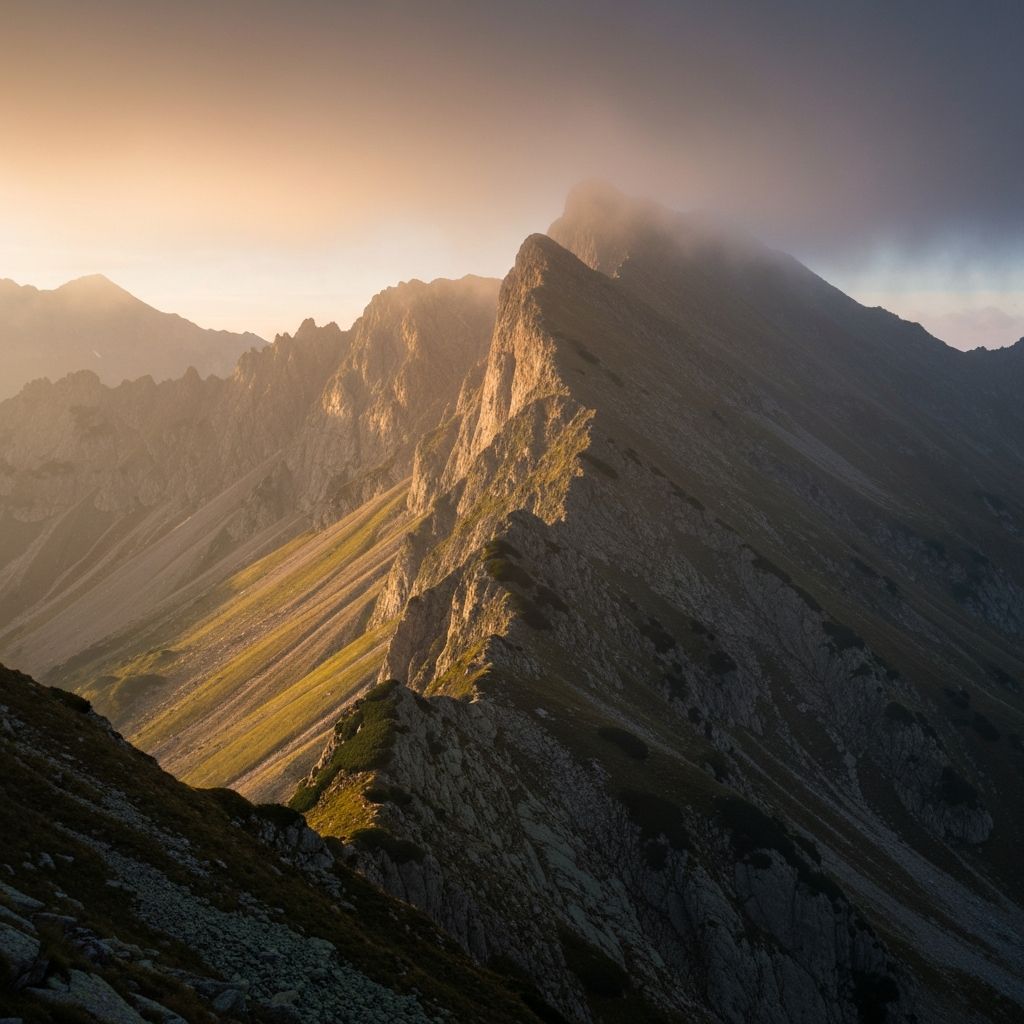
Traditional Alpine harvesting practices align with these natural cycles. Plant compounds reach peak concentration at specific times, and traditional knowledge systems encoded optimal harvesting windows. Modern scientific analysis confirms that phytonutrient concentrations do vary seasonally, supporting these traditional practices through measurable chemical analysis.
Individual Differences in Dietary Response
Why People Respond Differently to Natural Compounds
Genetic variation significantly influences how individuals process botanical compounds. Polymorphisms in genes encoding metabolic enzymes mean that the same Alpine plant extract produces different physiological effects in different people.
Lifestyle factors play an equally important role. Sleep patterns, exercise levels, stress management, and overall dietary quality create different baseline conditions that influence response to any dietary intervention.
Existing health status matters critically. Someone with excellent cardiovascular function, optimal nutrient status, and good metabolic health will likely respond differently to botanical compounds than someone with existing health challenges or medication use.
Age-related changes in absorption, metabolism, and nutrient utilization mean that men in different decades respond differently to the same compounds. This is not a limitation of natural approaches but a reality of human biology.
Environmental factors including altitude adaptation (if present), seasonal changes, and even geographic origin influence individual responses. Someone living at altitude processes compounds differently than someone at sea level.
Further Reference Materials
For those interested in deeper exploration, these peer-reviewed and educational sources provide neutral, science-based information.
Research Journals
- • American Journal of Clinical Nutrition
- • Journal of Gerontology
- • Phytotherapy Research
- • Ethnobotany Research & Applications
Educational Resources
- • PubMed Central Database
- • NIH Office of Dietary Supplements
- • WHO Monographs on Medicinal Plants
- • Botanical Society Resources
Alpine Ethnobotany
- • Swiss Museum of Natural History Collections
- • Alpine Botanical Society Publications
- • Traditional Knowledge Archives
- • Ethnobotanical Conference Proceedings
Explore More Educational Content
Continue your exploration of Alpine botanical knowledge with our specialized educational resources and detailed information pages.